

Clinical Massage Therapist Jobs in the UAE: Qualifications, Licensing, Skills and Experience Required (2026 Guide)
Notice: Licensing requirements (DHA, DoH, MOHAP, and DHCR) are subject to periodic regulatory updates. This guide is compiled strictly for informational and educational purposes. Always verify current Unified Professional Qualification Requirements (PQR) directly with the relevant UAE health authority before initiating your application or incurring verification fees.
Gulf Care Careers is an independent digital career publication and is not affiliated, endorsed, or associated with the Dubai Health Authority (DHA), Department of Health Abu Dhabi (DoH), Ministry of Health and Prevention (MOHAP), The DataFlow Group, or Prometric. All product names, logos, and registered trademarks belong to their respective health governance authorities.
The healthcare landscape in the United Arab Emirates (UAE) is undergoing a major shift toward integrative medicine, non-invasive pain management, and specialized physical rehabilitation. From world-class sports medicine hubs in Dubai to luxury medical wellness facilities in Abu Dhabi, healthcare employers are actively seeking qualified clinical massage therapists. However, navigating the distinction between commercial spa work and clinical healthcare practice in the Arabian Gulf requires a clear understanding of regulatory credentials, primary source verification, and licensing exams.
If you are planning to transition your clinical career to the GCC, this comprehensive guide breaks down the legal framework, qualification metrics, licensing workflows, and workplace realities for clinical massage therapists across the Emirates.
- 1. Clinical vs. Commercial: Understanding the UAE Licensing Landscape
- 2. Minimum Educational Qualifications & Work Experience Requirements
- 3. Step-by-Step UAE Healthcare Licensing Process for Massage Therapists
- Step 1: Account Setup via UAE PASS
- Step 2: Primary Source Verification (DataFlow PSV)
- Step 3: Prometric Examination (MAS5511 Pattern)
- Step 4: Eligibility Letter and Facility Sponsorship
- 4. Key Clinical Skills and Modalities Employers Look For
- 5. Salary Expectations, Contracts, and Career Growth in the GCC
- 6. Frequently Asked Questions
- 7. References
Clinical vs. Commercial: Understanding the UAE Licensing Landscape
In our recruiting work across the Arabian Gulf, the single most common setback overseas applicants encounter is confusing a commercial spa massage therapist role with a licensed Allied Health Professional position. In the UAE, massage therapy operates under two completely distinct regulatory tracks.
Commercial massage therapists work in hotel spas, standalone beauty salons, and wellness centers. These practitioners are regulated locally by municipal bodies—such as Dubai Municipality or local economic departments like the Dubai Department of Economy and Tourism (DET). They focus on general relaxation, pampering, and non-medical wellness modalities. These positions do not require medical credentials, nor do they permit therapists to perform diagnostic evaluations, manage clinical pathologies, or bill through health insurance channels.
Conversely, a Clinical Massage Therapist is classified as an Allied Health Professional. Practitioners are licensed directly by one of the UAE’s governing healthcare bodies:
- Dubai Health Authority (DHA): Governs healthcare facilities and professionals within the Emirate of Dubai.
- Department of Health – Abu Dhabi (DoH): Regulates healthcare delivery across Abu Dhabi and Al Ain (formerly HAAD).
- Ministry of Health and Prevention (MOHAP): Oversees medical licensing in Sharjah, Ajman, Ras Al Khaimah, Fujairah, and Umm Al Quwain.
- Dubai Healthcare City Authority Regulation (DHCR): Governs medical professionals operating within the Dubai Healthcare City free zone.
Operating as a clinical massage therapist means working alongside physiatrists, orthopedic surgeons, physiotherapists, and chiropractors within outpatient rehabilitation centers, sports medicine clinics, dermatology and aesthetic clinics, and hospital departments. You will document treatments using standardized clinical notes, design targeted soft-tissue interventions, and adhere to medical ethics and infection control protocols.
| Regulatory Aspect | Clinical Massage Therapist | Commercial / Salon Massage Therapist |
|---|---|---|
| Licensing Authority | DHA, DoH, MOHAP, or DHCR | DET / Local Municipality |
| Professional Status | Licensed Allied Health Professional | Commercial Service Worker |
| Work Settings | Hospitals, Rehab Clinics, Medical Spas | Hotel Spas, Salons, Wellness Centers |
| Verification & Exam | DataFlow PSV & Prometric Exam Mandatory | Basic Trade / Municipal Health Check |
| Scope of Practice | Targeted therapeutic care, SOAP notes | General stress relief, relaxation bodywork |
Minimum Educational Qualifications & Work Experience Requirements
To qualify as a Clinical Massage Therapist under the UAE's Unified Healthcare Professional Qualification Requirements (PQR), candidates must satisfy strict educational standards and documented post-qualification clinical experience thresholds.
Standard PQR criteria generally require applicants to hold one of the following academic pathways from an accredited institution:
- A diploma or degree program in Massage Therapy featuring a minimum curriculum of 500 to 1,000 instructional hours (covering anatomy, physiology, kinesiology, and clinical practice).
- A formal 1-year or 2-year diploma in Massage Therapy or Physical Therapy Assistant studies.
- An accredited Bachelor’s or Diploma in Traditional Systems of Medicine (such as an Ayurveda Massage Diploma or Naturopathy qualification), provided it includes formal manual therapy training.
Beyond formal qualifications, candidate eligibility heavily depends on verifiable work experience. When we coach candidates through DataFlow and portal registration, we emphasize that experience must meet these conditions:
- Two (2) Years Post-Qualification Clinical Experience: You must possess a minimum of two years of continuous experience working in a licensed clinical setting after completing your official diploma or degree. Internship or pre-graduation practice hours cannot count toward this requirement.
- The 2-Year Practice Gap Rule: UAE health authorities enforce a strict practice-gap policy. If you have been completely out of clinical practice for more than two consecutive years at the time of application, you may be required to complete clinical refresher training or face disqualification.
- Language Proficiency: While clinical notes are maintained in English, candidates must demonstrate professional communication skills. Authorities may require standardized language proofs (such as IELTS 5.0–6.0 or OET Grade C) depending on applicant background and sponsoring facility mandates.
Step-by-Step UAE Healthcare Licensing Process for Massage Therapists
Acquiring a clinical healthcare license in the UAE follows a standardized digital pathway. To explore detailed requirements across regional jurisdictions, review our comprehensive GCC Licensing Eligibility Checker.
Step 1: Account Setup via UAE PASS (Sheryan / DoH / MOHAP)
The journey begins by registering a verified digital identity through UAE PASS, which provides access to all government service portals. Depending on where you intend to practice, you will set up an account on:
- Dubai Health Authority: The Sheryan Portal.
- Department of Health Abu Dhabi: The TAMM / DoH User Portal.
- MOHAP: The Ministry's e-Services Evaluation Portal.
Once registered, you upload your primary documents (passport copy, academic transcripts, qualification certificates, experience letters, and active registration/license from your home country) to initial portal eligibility checks.
Step 2: Primary Source Verification (DataFlow PSV)
Every foreign-trained allied health candidate must undergo Primary Source Verification (PSV) conducted by the DataFlow Group. DataFlow directly contacts your issuing universities, previous employers, and home health boards to verify authenticity.
When preparing your application, ensure you upload a clear Letter of Authorization (LOA), official degree certificates, recent employment verification letters on company letterhead, and a valid Good Standing Certificate (GSC) issued by your national health council within the last six months. For an in-depth walkthrough on managing verification timelines and resolving discrepancies, refer to our step-by-step DataFlow Verification Guide.
Step 3: Prometric Examination (MAS5511 Pattern)
Once your initial credentialing review is cleared, the portal issues an Eligibility ID allowing you to schedule your computer-based assessment through Prometric test centers globally or within the UAE.
- Format: 70 to 100 multiple-choice questions (MCQs).
- Duration: 2 hours.
- Passing Score: 50%.
- Key Topics: Applied Human Anatomy & Physiology, Kinesiology, Soft-Tissue Pathology, Massage Techniques & Modalities, Contraindications, Client Assessment & Postural Evaluation, Ethics & Professional Standards.
Step 4: Eligibility Letter and Facility Sponsorship
Upon successfully passing the Prometric exam and receiving a clear DataFlow PSV report, the health authority issues an official Eligibility Letter (or Professional Assessment Result). This letter confirms you are officially qualified to work as a Clinical Massage Therapist in the UAE.
The Eligibility Letter remains valid for 1 year. During this window, you can apply for jobs across hospitals, rehabilitation hubs, and medical spas. Once an employer hires you, they link your eligibility status to their facility's operating license, issuing your full clinical practice permit and sponsoring your UAE employment visa.
Key Clinical Skills and Modalities Employers Look For
Working in a GCC clinical environment requires more than basic manual dexterity. In our team's interactions with clinical directors across Dubai and Abu Dhabi, employers prioritize candidates who demonstrate strong clinical reasoning and objective treatment tracking.
Key clinical skills and core manual therapy techniques required include:
- Classical Swedish Modalities: Mastery of foundational strokes—effleurage, petrissage, tapotement, friction, and vibration—applied purposefully for circulation enhancement and muscular prep.
- Advanced Soft-Tissue Interventions: Myofascial Release (MFR), Neuromuscular Therapy (NMT), Trigger Point Therapy, and Deep Tissue Mobilization targeting chronic musculoskeletal pain.
- Specialized Clinical Modalities: Manual Lymphatic Drainage (MLD) for post-surgical edema, Orthopedic Massage, Sports Massage, and adaptation of techniques for Prenatal and Geriatric care.
- Objective Assessments: Conducting pre-treatment postural evaluations, Range of Motion (ROM) goniometric measurements, and manual muscle testing.
- Clinical Governance & Safety: Strict screening for local and absolute contraindications (e.g., deep vein thrombosis, open wounds, acute inflammation, unmanaged hypertension) and maintaining precise SOAP Notes (Subjective, Objective, Assessment, Plan) in Electronic Health Record (EHR) systems.
Salary Expectations, Contracts, and Career Growth in the GCC
Compensation structures in the UAE allied health sector vary depending on the facility type, clinical setting, and candidate experience. For broader market insights across disciplines, check out our guide on Healthcare Salaries in the UAE.
For licensed Clinical Massage Therapists, typical monthly compensation packages span the following ranges:
- Mid-Tier Clinics & Outpatient Rehab Facilities: AED 3,500 – AED 6,000 per month (often paired with commission or performance bonuses).
- Specialized Sports Medicine & Premium Medical Spas: AED 6,000 – AED 9,000 per month.
- Leading Private Hospitals & High-End Wellness Hubs: AED 8,000 – AED 12,000+ per month for highly experienced practitioners.
Under UAE Labor Law, full-time employment contracts include standard benefits such as employer-provided medical insurance, paid annual leave, flight allowances (facility-dependent), and end-of-service gratuity calculations based on basic salary. Career progression pathways typically lead to Senior Clinical Therapist roles, Clinical Operations Supervision, or cross-specialization into Physiotherapy or Rehabilitation Management.
Frequently Asked Questions
A salon or commercial spa therapist is registered under a Department of Economy and Tourism (DET) or local municipality license and focuses on general relaxation. A DHA-licensed clinical massage therapist is an accredited Allied Health Professional operating in healthcare facilities, delivering medical, therapeutic, and rehabilitation treatments based on formal clinical assessments and doctor referrals.
According to the Unified Healthcare Professional Qualification Requirements (PQR), applicants must possess a minimum of two (2) years of continuous, post-qualification clinical experience in a recognized healthcare setting.
Yes, passing the computer-based Prometric assessment (such as the MAS5511 pattern) is a mandatory requirement for clinical massage therapist licensure across DHA, DoH, and MOHAP jurisdictions, unless a candidate qualifies for an explicit regulatory exemption.
Physiotherapists and nurses can perform soft tissue therapy within their licensed scope of practice. However, to be officially hired under the specific title and scope of 'Clinical Massage Therapist,' they must meet the Unified PQR requirements and secure the specific license for that allied health category.
Standard Primary Source Verification (PSV) package fees through DataFlow generally range between AED 700 and AED 1,200, depending on the number of educational degrees, employment certificates, and health licenses being verified, as well as optional fast-track services.
The standard passing score for the Allied Health Clinical Massage Therapist Prometric examination (MAS5511 pattern) across UAE health authorities is 50%.
Yes, male clinical massage therapists are actively employed across orthopedic centers, sports medicine clinics, rehabilitation facilities, and hospital physiotherapy departments. Healthcare settings maintain gender-matched clinical care protocols to align with local cultural norms.
References & Authoritative Sources
To ensure accuracy and medical safety, licensing rules in this guide are mapped directly to official UAE health authorities, while clinical skills and physiological modalities align with evidence-based research from recognized global public health institutions.
1. UAE Healthcare Governance & Licensing Bodies
- Dubai Health Authority (DHA) — Unified Healthcare Professional Qualification Requirements (PQR) — https://www.dha.gov.ae
- Department of Health – Abu Dhabi (DoH) — Healthcare Professional Licensing Standards & TAMM Portal — https://www.doh.gov.ae
- Ministry of Health and Prevention (MOHAP) — Evaluation and Licensing for Allied Health Professionals — https://mohap.gov.ae
- Dubai Healthcare City Authority Regulation (DHCR) — Clinical Operations & Professional Licensing — https://www.dhcr.gov.ae
- The DataFlow Group — Primary Source Verification (PSV) Portal for UAE Health Authorities — https://www.dataflowgroup.com
- Prometric Testing Services — Allied Health Examination Delivery (MAS5511 Blueprint) — https://www.prometric.com
- UAE Government Portal (U.AE) — Unified Single-Sign-On Access (UAE PASS) & Work Permits — https://u.ae
2. International Public Health & Research Agencies
- National Institutes of Health (NIH) / NCCIH — Massage Therapy: What You Need To Know & Evidence-Based Clinical Modalities — https://www.nccih.nih.gov/health/massage-therapy-what-you-need-to-know
- U.S. National Library of Medicine (MedlinePlus) — Complementary and Integrative Health Standards & Manual Therapies — https://medlineplus.gov/complementaryandintegrativemedicine.html
- World Health Organization (WHO) — Global Strategy on Integrated People-Centered Health Services & Physical Rehabilitation Frameworks — https://www.who.int
- Centers for Disease Control and Prevention (CDC) — Infection Control Guidelines for Outpatient Care & Physical Rehabilitation Settings — https://www.cdc.gov
3. Clinical Research Databases & Academic Medical Centers
- PubMed (National Center for Biotechnology Information) — Peer-Reviewed Studies on Therapeutic Massage, Myofascial Release, and Neuromuscular Physiology — https://pubmed.ncbi.nlm.nih.gov
- Mayo Clinic — Medical-Based Massage Therapy Indications, Contraindications, and Safety Standards — https://www.mayoclinic.org/tests-procedures/massage-therapy/about/pac-20384595
- Johns Hopkins Medicine — Clinical Rehabilitation & Physical Therapy Practice Standards — https://www.hopkinsmedicine.org
- Google Scholar — Academic Literature Indexing Manual Therapy Protocols and Clinical Outcomes — https://scholar.google.com
🩺 Editorial Review Board & Medical Reviewers
To ensure uncompromising clinical accuracy, adherence to YMYL standards, and compliance with regional and international healthcare guidelines, our content is rigorously reviewed and verified by practicing medical specialists, registered nurses, certified coders, and academic professors:
Editorial Evaluation & Medical Content Guidelines
At Gulf Care Careers, our editorial team evaluates health career guides and clinical standards according to rigorous credibility metrics:
-
Verified Suffixes: Regulatory information is cross-checked against official government portals (
.govor.gov.ae), educational institutions (.edu), and non-profit health organizations (.org). - Practitioner Authorship & Verification: Content is compiled and reviewed by allied healthcare credentialing experts and recruiters with direct field experience across Arabian Gulf licensing portals.
- Elimination of Commercial Bias: Guides are purely educational and objective; we avoid sponsored cure claims, unverified health products, or guaranteed licensing outcomes.
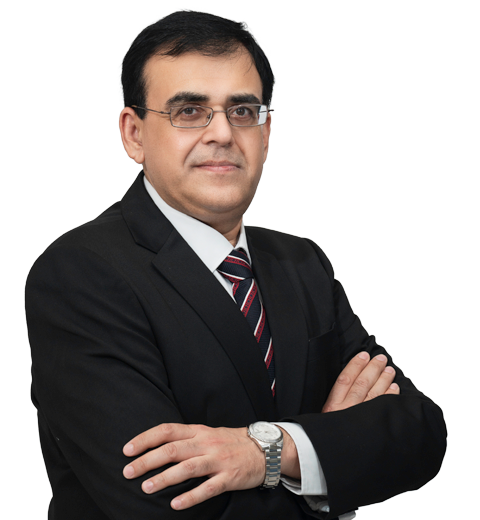
Dr. Syed Faheem Ahmed supervises medical content and editorial standards at Gulf Care Careers, ensuring clinical accuracy, adherence to YMYL standards, and compliance with UAE healthcare licensing frameworks.
Verify Institutional Profile →
Mohammad Ali is the Founder, Blog Admin, and Webmaster of Gulf Care Careers. Drawing from his hands-on experience at Burjeel Medical City, Abu Dhabi, he authors guidance and tools for Gulf healthcare licensing and career development.
Connect on LinkedIn →